Outfits
How to dress for the weather: an outfit guide by temperature
What to wear for every temperature, plus rain and wind. An outfit chart by degree, three simple layering rules and practical tips for changing seasons.
In short: The easiest way to dress for the weather is to split temperatures into ranges and dress in layers. One layer above 20 °C (68 °F), two layers between 10 and 20 °C (50–68 °F) and three layers below 10 °C (50 °F) is a good starting point. Rain and wind lower the temperature you feel, so they may call for one more layer.
What to wear for each temperature
The chart below is a general starting point. Everyone feels heat and cold differently, so shift the ranges by a few degrees based on your own experience.
| Temperature | Top | Bottom | Outer layer | Shoes |
|---|---|---|---|---|
| 25 °C / 77 °F and above | Linen shirt, T-shirt | Shorts, linen trousers, skirt | Not needed | Sandals, light sneakers |
| 20–25 °C / 68–77 °F | T-shirt, light shirt | Chinos, jeans | Optional light jacket | Sneakers, loafers |
| 15–20 °C / 59–68 °F | Shirt, fine knit | Jeans, tailored trousers | Light jacket, blazer | Sneakers, loafers |
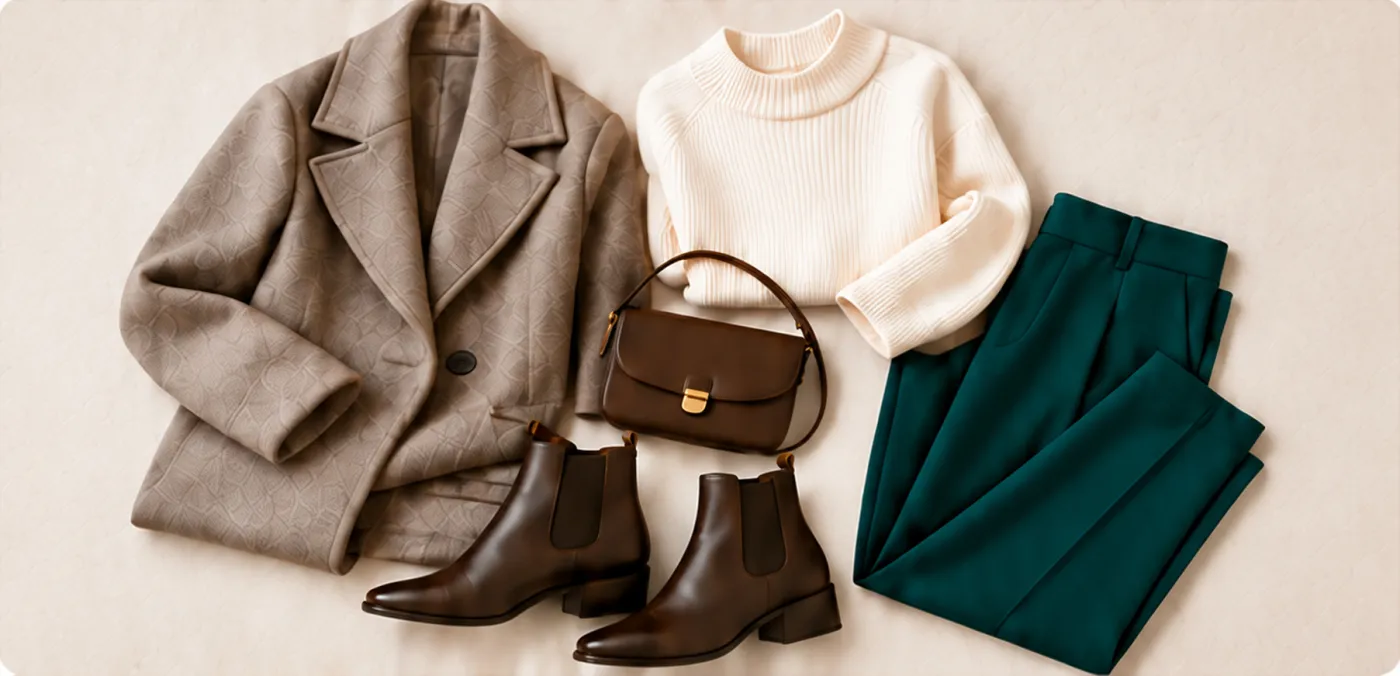
| 10–15 °C / 50–59 °F | Sweater, sweatshirt | Jeans, tailored trousers | Trench coat, bomber, leather jacket | Boots, closed shoes |
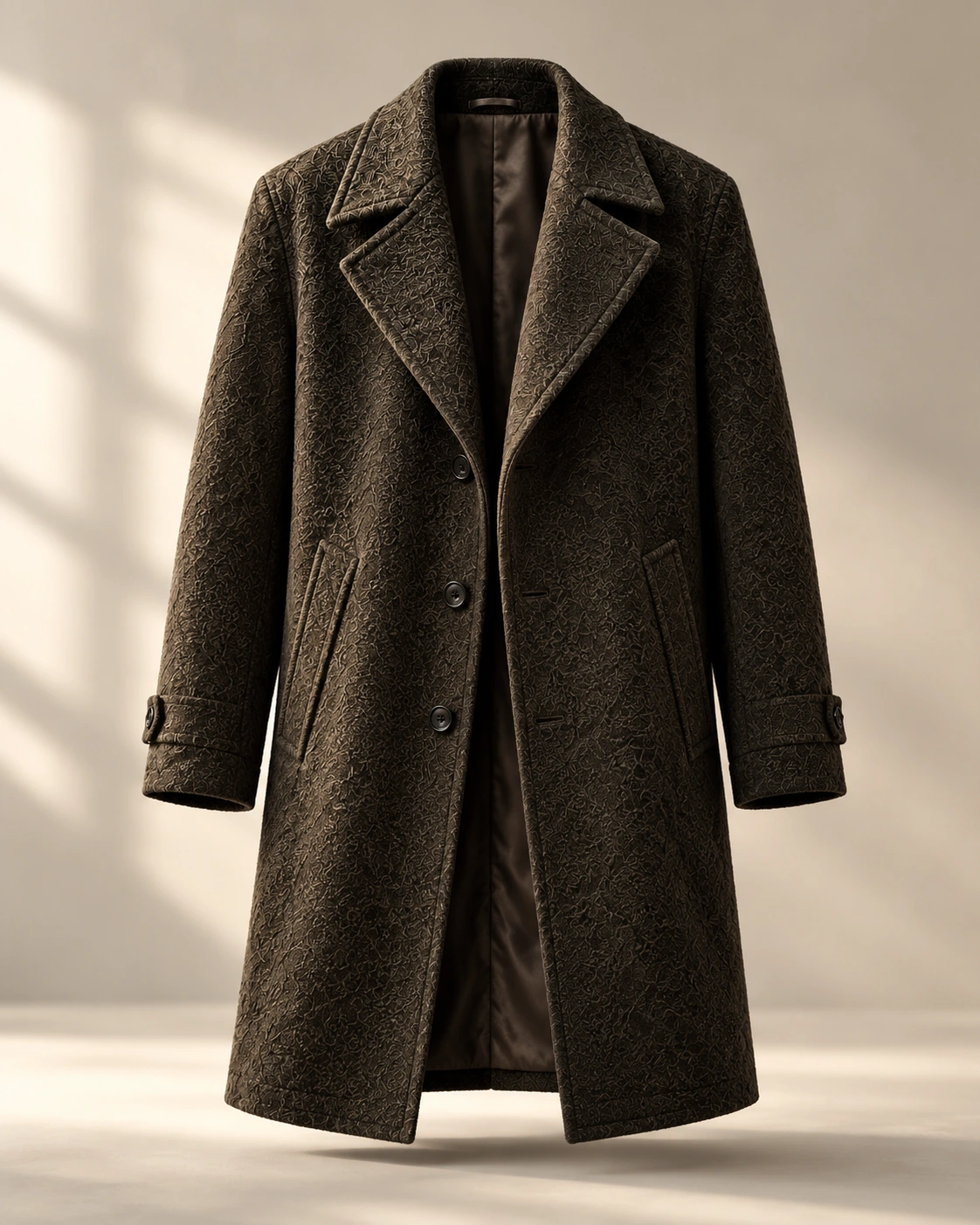
| 5–10 °C / 41–50 °F | Heavy knit | Heavier trousers | Wool coat or jacket | Boots |
| Below 5 °C / 41 °F | Base layer and heavy knit | Heavier trousers | Coat or puffer, scarf, hat | Waterproof boots |
Three rules for layering
1. Thin layers beat one thick layer
Air trapped between two thin layers insulates you, and you can take one off when the temperature changes during the day. It is the most practical answer to spring and autumn days that start cool and turn mild.
2. The layer next to your skin should breathe
Your innermost layer should move sweat away from your body. Cotton, linen and fine wool are good everyday choices.
3. The outer layer should protect you from the weather
When there is wind or rain, a windproof or water-repellent outer layer matters more than what you wear underneath.
Rain, wind and humidity
- Rain: Choose a water-repellent outer layer and waterproof shoes. Light suede and canvas shoes wear out quickly in the rain.
- Wind: Wind makes it feel colder than the thermometer says. Add one layer to the chart’s suggestion.
- Humidity: In hot, humid weather, choose loose pieces in breathable fabrics such as linen and cotton.
What to watch for between seasons
In spring and autumn, the gap between morning and afternoon temperatures can be large. A light outer layer you can carry all day and a sweater that is easy to take off and put back on are the most useful pieces of the season. Layering is also easier when your wardrobe has core pieces that go together; see our guide on how to build a capsule wardrobe.
Making weather-based outfit choices easier
Checking the forecast and then searching your closet for the right pieces every morning takes time. When you allow location access, the Clomuse app takes the day’s weather into account and suggests outfits made only from the clothes in your wardrobe. On a rainy or cool morning, you see suggestions that start from pieces suited to the weather.
Frequently asked questions
What should I wear at 15 °C (59 °F)?
Around 15 °C, a shirt or fine knit, jeans or tailored trousers and a light outer layer such as a trench coat or leather jacket are usually enough. If it is windy, choose a warmer outer layer.
What does layering mean?
Layering means wearing several thin pieces on top of each other instead of one thick piece. Layers hold heat better and let you take one off when the temperature changes.
What shoes should I wear in the rain?
Boots made of leather or waterproof materials and shoes with thick soles are the best choice. Suede and canvas shoes wear out quickly when they get wet.